












The Best Crops To Grow For Every State

Instead of using trial and error to determine which plants are best for your property's soil and weather, the USDA releases a list of the most grown agricultural products. We can use that list to start growing a sustainable and reliable food source. You can sell the excess and also learn to grow certain foods that are ideal for a stockpile.
Food to Grow by State
I’ll share a list that I found from the USDA Economic Research Service. These list the top grown commercial agricultural products.
- Alabama: poultry, cattle, eggs, peanuts
- Alaska: greenhouse plants, hay, potatoes
- Arizona: dairy, cattle, greenhouse plants, lettuce, barley
- Arkansas: poultry, rice, soybeans
- California: dairy, greenhouse plants, grapes, citrus, tomatoes
- Colorado: cattle, dairy, corn, potatoes
- Connecticut: greenhouse plants, dairy, eggs, apples, berries
- Delaware: poultry, corn, soybeans, watermelon
- Florida: greenhouse plants, oranges, tomatoes
- Georgia: poultry, eggs, cotton, peaches, peanuts, blueberries
- Hawaii: greenhouse plants, sugarcane, macadamia nuts, pineapples
- Idaho: dairy, cattle, potatoes
- Illinois: corn, soybeans, hogs, pumpkins
- Indiana: corn, soybeans, hogs, tomatoes
- Iowa: corn, soybeans, hogs, green peas
- Kansas: cattle, wheat, corn, sandhill plums
- Kentucky: horses, poultry, corn, watermelon
- Louisiana: rice, corn, sugarcane, peppers, tomatoes
- Maine: potatoes, dairy, eggs, blueberries
- Maryland: poultry, greenhouse plants, corn, watermelon
- Massachusetts: greenhouse plants, cranberries, diary
- Michigan: dairy, corn, soybeans, cherries
- Minnesota: corn, soybeans, hogs, Honeycrisp apples, potatoes, peas
- Mississippi: poultry, soybeans, corn, sweet potatoes
- Missouri: soybeans, corn, cattle, watermelon
- Montana: wheat, cattle, barley, dry peas
- Nebraska: cattle, corn, soybeans, dry beans
- Nevada: cattle, hay, dairy, potatoes
- New Hampshire: greenhouse plants, dairy, apples
- New Jersey: greenhouse plants, horses/mules, blueberries, apples
- New Mexico: dairy, cattle, hay, chili peppers, pecans
- New York: dairy, greenhouse plants, corn, apples
- North Carolina: poultry, hogs, greenhouse plants, sweet potatoes
- North Dakota: wheat, soybeans, corn, dry beans
- Ohio: corn, soybeans, dairy, apples
- Oklahoma: cattle, wheat, hogs, peanuts
- Oregon: greenhouse plants, cattle, dairy, pears
- Pennsylvania: dairy, cattle, eggs, apples, mushrooms
- Rhode Island: greenhouse plants, dairy, corn, apples
- South Carolina: poultry, greenhouse plants, turkeys, peaches
- South Dakota: corn, cattle, soybeans, oats
- Tennessee: cattle, poultry, soybeans, snap peas
- Texas: cattle, cotton, dairy, rice
- Utah: dairy, cattle, hay, cherries, peaches, apples, apricots
- Vermont: dairy, cattle, greenhouse plants, maple syrup
- Virginia: poultry, cattle, dairy, tomatoes
- Washington: apples, dairy, wheat
- West Virginia: poultry, cattle, turkeys, apples, maple syrup, ramps, mushrooms
- Wisconsin: dairy, corn, cattle, cranberries
- Wyoming: cattle, hay, hogs, dry beans
Growing Basic Food You Need in Your Stockpile
Apples need a temperate climate with a cold snap in the spring to get nice blooms. The Honeycrisp apple is an exception; it was developed by the University of Minnesota specifically for growing in cold climates.
Lettuce loves hot climates with lots of sun. Leaf lettuce grows quickly.
Tomatoes and Peppers: They enjoy similar growing conditions. They like the soil a combination of loamy and sandy and it needs to drain well, but hold a little water. They also need full sun.
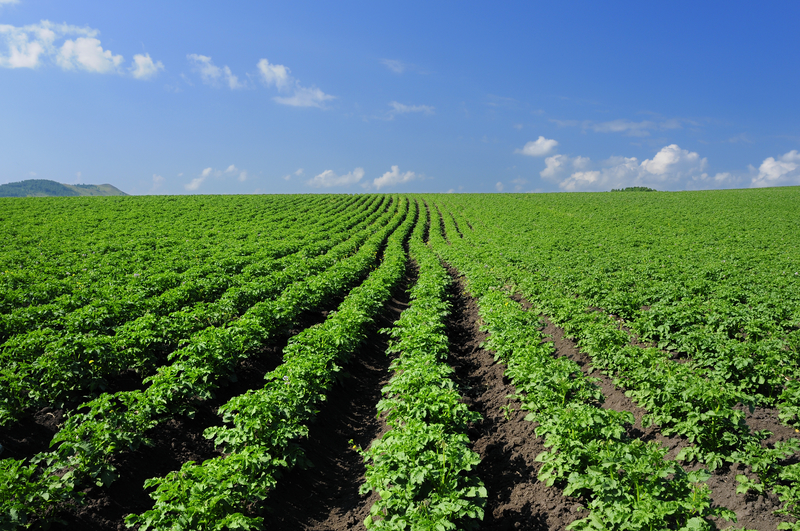
Potatoes: They are one of the easiest crops to grow, and you can store them as-is for a few months if you have a cool, dry place such as a cellar to do it in. They’re a cool-weather crop.
Beans are a warm-weather crop, and it’s good to start a few new plants every ten days or so in the spring to ensure beans all summer. Direct sow them into the garden 1-2 weeks after the last frost when the soil is at least 60 degrees. Start them indoors 2-3 weeks before transplanting.
Fava Beans: These are the exceptional bean that likes cool weather. They can withstand a low of 40 and a high of 75.
Cucumbers and Squash: They are warm weather plants. The have a short growing season and need full sun. Unlike tomatoes, they can take the sun all day and grow best in 70-90 degree soil and even a light frost will kill them.
Corn is another crop that will grow just about anywhere in the United States. It does need a longer frost-free growing season. Since it has shallow roots, make sure that it has plenty of water when the weather is warm. Plant it with beans.
Beets are a great cool-weather crop. They don’t do well in heat at all. They also need deep, well-drained, loose soil so that the beet can grow properly, since it’s a root veggie like a carrot. Plant them in early spring and late fall.

What crops do you grow in your state? Are there any other crops you grow for your stockpile?
Article Source: Survivopedia
really? Cattle, dairy, turkey, and poultry are not crops. smh
So the usda recommends you grow basically corn and soybeans.